I have initiated and led the launch of Pendo twice in the last year or so, at two different mid-size B2B SaaS companies. At my previous company, I also led the standardization of MixPanel labels, and helped roll out Posthog and LaunchDarkly. The last of those is a feature flag tool, not an analytics tool, but the steps are very similar.
If you’re interested in bringing a tool like this to your company, then this article is for you.
I’ve broken it down into three parts:
- Part 1: Internal Buy-In & Analysis
- Part 2: Implementation
- Part 3: Rollout
This article contains part 1; parts 2 & 3 have been released in a follow-up article.
Part 1: Internal Buy-In & Analysis
Start with your manager, and see if there’s any interest in the tool you’d like to bring on
If your manager says spending is frozen for the year, all of the analysis and data in the world (likely) won’t help.
Assuming there’s at least the possibility that this could happen…
Discuss the idea with potential stakeholders and understand their needs
For example:
- Customer support & QA: Replays and console logs can be very helpful in troubleshooting
- Data & Analytics: For an analytics tool, they should be brought in early. At one company, we were able to ingest the data from the 3rd party tool into our data warehouse
- Security / Head of IT: Understand what the requirements are for your company (ex: is SSO required?)
- Engineering: They’ll be implementing your tool, so talk with them and see if they have must-haves or areas of concern
- Product management & design: These tools can be great for customer insights, both in terms of quantitative insights (data) and qualitative (replays)
Understanding the needs of each group leads us to our next step…
Analyze the options out there, and determine which tool fits your company best
Create a matrix similar to this:
| Product A | Product B | |
| Feature 1 (nice-to-have) | ❓ | ✅ |
| Feature 2 (must-have) | ✅ | ❌ |
This can help you quickly narrow down your options.
Tip: Perplexity is a great tool for quickly finding out what features each software has; however, like all AIs, it can hallucinate, so double check the results.
Include pricing as a ‘feature’ in your matrix.
However, most times you won’t be able to find the pricing on the site, so you’ll need to…
Talk to your top vendor choices
There’s usually a form on vendor sites that you can fill out if you’re interested; they’ll usually email you with a Calendly-type link so you can set up an intro meeting. You can also ask for a demo, if you’d like to start there before going to pricing. (Mixpanel sales contact example, MixPanel demo contact example)
Bring any relevant stakeholders who want to be very involved or who have questions; for example, bring engineering if they have implementation concerns.
Come to the meeting prepared where possible. Some software charges based on MAU (monthly active user) of your end product, while others charge on the number of employees using the vendor’s software. There may be other variations as well.
Ask any open questions you have, such as “we couldn’t find if software x does y, can you please clarify?”
Once you receive the estimate, fill in the ‘pricing’ line of your matrix.
Once you have all of this together, it’s time to…
Present options back to the boss(es) and decision makers
This will be very dependent on the business. At a large company, you may be working your way up through the ranks, or maybe there’s a formal process. Always loop in your manager.
At a smaller company, your manager may tell you to go ask the CTO/CEO directly.
Use everything you’ve learned so far. Since you got buy-in during the stakeholder step, explain how this tool will help x y and z teams, not just your team.
Focus on the items you know the boss wants to see; for example, if they’re security minded, say upfront that PII isn’t being shared and the vendor is SOC 2 compliant.
Present in the way that works best for your audience.
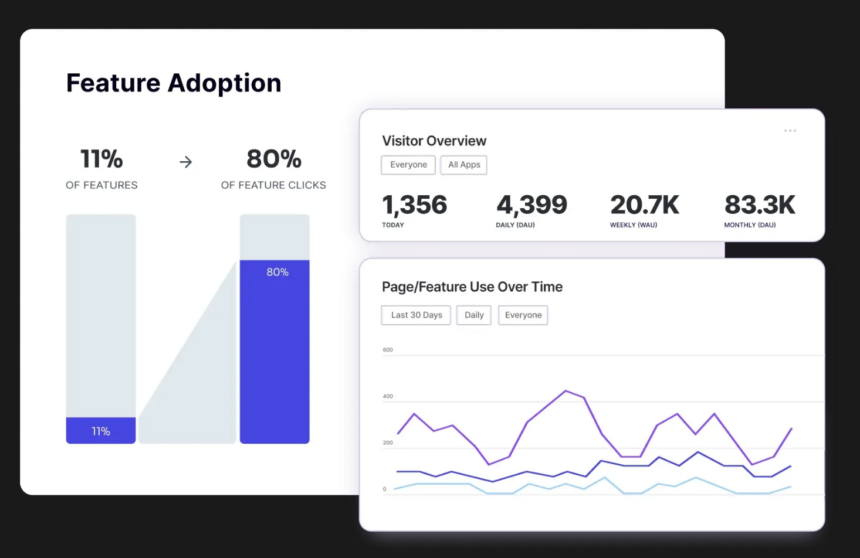
Bring visuals, if that’s what works:
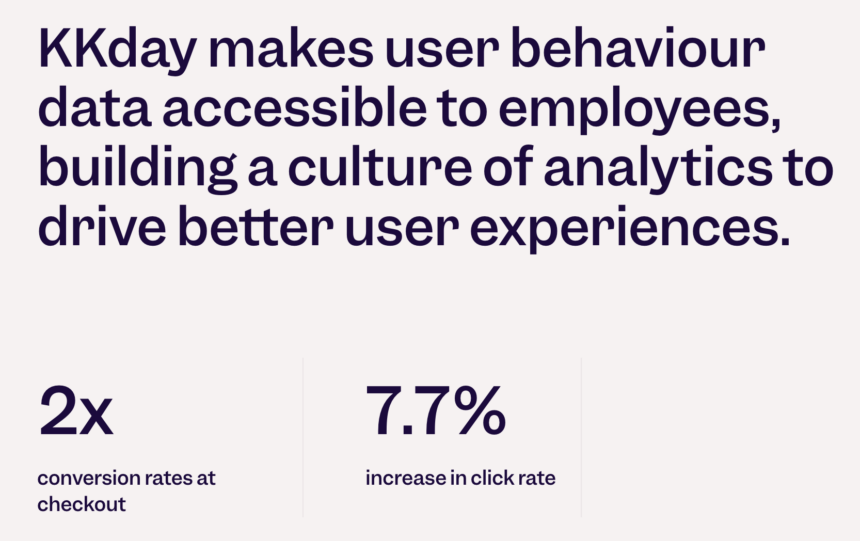
Or case studies:
Contracts
How contracts are handled is different per organization; figure out whether who is the final signer, if someone else needs to handle further negotiating cost, etc.
With some vendors, you may do a POC (proof of concept) before the contract is signed.
Once the contract is signed, it’s time to get started!
Check out Parts 2 & 3: Implementation and Rollout